
That five-o’clock shadow, the weekly shaving routine, the razor bumps before a beach day – unwanted hair can take up more time and energy than it deserves. So, is laser hair removal permanent? The honest answer is that it provides long-term hair reduction, not a guarantee that every follicle will never produce another hair. For many people, that distinction still leads to a major, confidence-building change in their routine.
Laser hair removal can dramatically reduce the amount, thickness, and visibility of hair in a treated area. After completing a recommended series of sessions, many clients enjoy smooth-looking skin for months or years with only occasional maintenance. Your individual results depend on your hair, skin, hormones, treatment area, and consistency with appointments.
What “permanent” means with laser hair removal
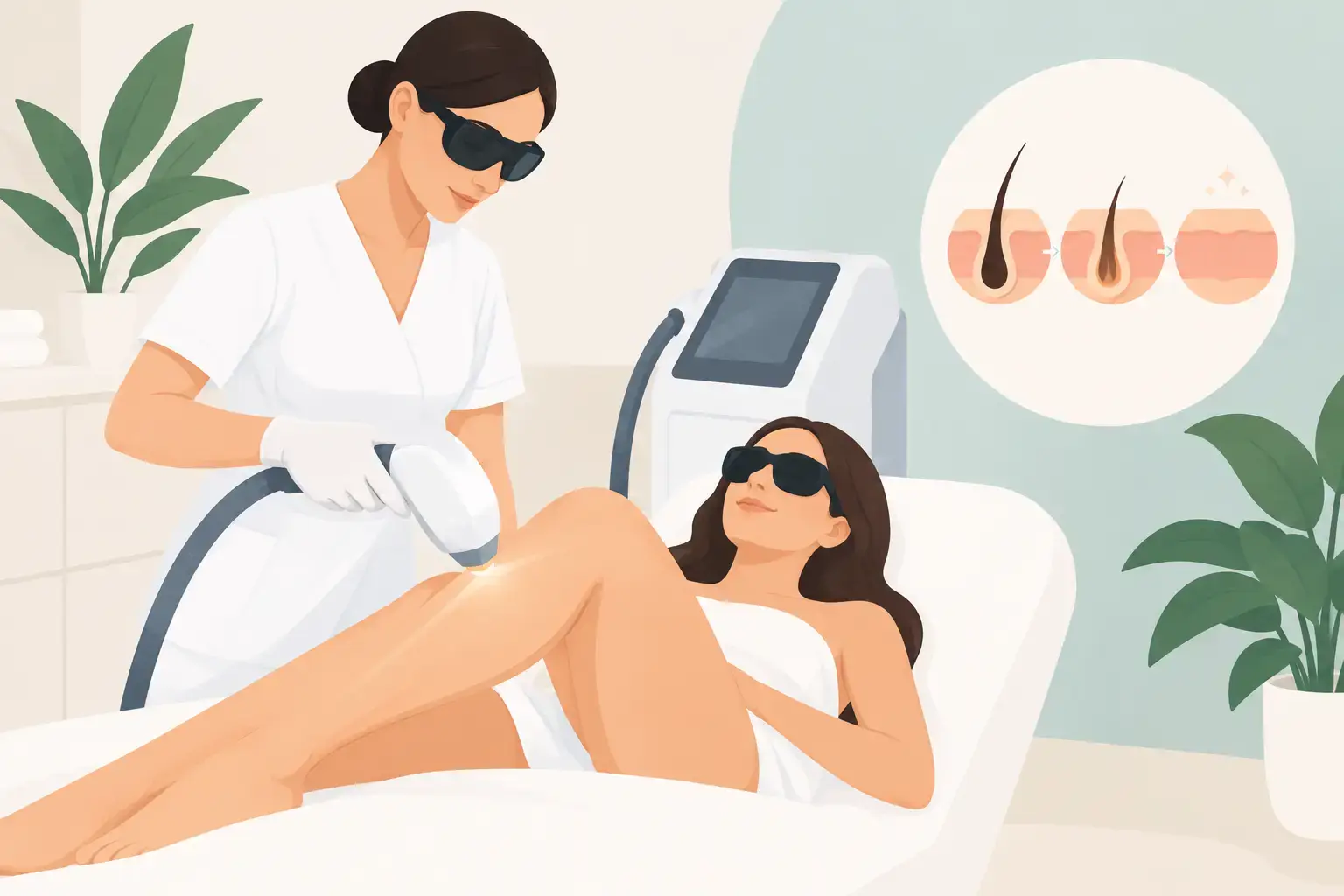
The laser targets pigment in the hair, sending heat down the shaft to damage the follicle during its active growth phase. When a follicle is successfully treated, it may stop producing hair altogether or grow back hair that is finer, lighter, and slower to appear.
The catch is that not every hair is in the same growth phase at the same time. A laser can only effectively target hairs in the active phase, which is why treatment is scheduled as a series rather than a single visit. With each session, more eligible follicles are treated.
In practical terms, permanent hair reduction means you should expect significantly less hair, less frequent grooming, and a smoother feel over time. It does not mean no stray hairs ever again. A few hairs can return, and some people benefit from touch-up treatments to maintain their preferred result.
Why results vary from person to person
Laser hair removal is never one-size-fits-all. Your provider should consider the contrast between your skin tone and hair color, as well as the density and coarseness of the hair being treated. Dark, coarse hair often responds especially well because it contains more pigment for the laser to target. Lighter blond, red, gray, and white hair may respond less predictably because there is less pigment available.
Hormones can also influence future hair growth. Areas affected by hormonal changes – such as the face, chin, neck, abdomen, and bikini area – may need periodic maintenance more often than areas like the lower legs or underarms. Pregnancy, menopause, polycystic ovary syndrome, and certain medications can all affect hair growth patterns.
That does not make laser treatment a poor choice. It simply means a personalized plan and realistic expectations matter. The goal is not to promise identical results for every body. It is to help you reduce the hair that bothers you in a way that supports your lifestyle and confidence.
How many sessions do you need?
Most clients need a series of treatments, commonly around six to eight sessions, spaced several weeks apart. The exact schedule depends on the body area and its hair-growth cycle. Facial areas are often treated more frequently than areas like the legs or back.
You may notice some reduction after the first few sessions, but the fuller result develops gradually. Treated hairs can shed in the days or weeks after an appointment, and new growth may become patchier, softer, or slower. Staying on schedule gives the treatment the best opportunity to reach hairs as they enter their active growth phase.
After your initial series, maintenance may be recommended once or twice a year, or only when you notice regrowth. Some clients need little maintenance; others, especially those with ongoing hormonal hair growth, may prefer occasional sessions to keep results consistent.
Is laser hair removal permanent on every body area?
Some areas tend to hold results longer than others. Underarms, bikini lines, and lower legs are popular treatment areas because they often respond well and can save substantial time on shaving and waxing. Larger areas such as the chest, back, arms, and legs can also be excellent choices for clients who want a more streamlined grooming routine.
Facial hair deserves a little extra nuance. Laser hair removal can be very effective for upper-lip, chin, jawline, and sideburn concerns, but facial follicles may be more responsive to hormonal shifts. Maintenance can be part of the long-term plan, particularly when hair growth is connected to a hormonal condition.
For every area, the best measure of success is not whether you see zero hairs forever. It is whether your results make your everyday routine easier and help you feel more comfortable in your skin.
Preparing for better laser hair removal results
Good preparation supports both safety and results. Shave the treatment area shortly before your appointment unless your provider gives different instructions. Shaving leaves the follicle in place for the laser while keeping surface hair from absorbing unnecessary heat.
Avoid waxing, tweezing, threading, or using depilatory creams in the weeks leading up to treatment. These methods remove or disrupt the hair the laser needs to target. You should also limit sun exposure and avoid tanning before and after appointments, since tanned or irritated skin may require your treatment to be postponed or adjusted.
Share your full health history, skincare routine, and medications during your consultation. Certain medications and active products can increase skin sensitivity. A qualified provider can tell you when to pause products, how to care for your skin after treatment, and whether laser hair removal is appropriate for your needs.
What treatment and recovery feel like
Many clients describe the sensation as a quick snap of warmth against the skin. Treatment time varies widely: the upper lip may take minutes, while larger areas take longer. Cooling technology and appropriate settings can make the experience more comfortable.
Afterward, mild redness or temporary swelling around follicles is common and typically settles quickly. Keep the area cool, protect it from direct sun, and follow your provider’s aftercare instructions. Avoid hot baths, intense workouts, and anything that heavily irritates the treated skin for the recommended period.
Do not expect hair to disappear immediately after a session. The treated hairs need time to shed, and this can look like continued growth at first. Resist the urge to wax or pluck. If needed, shaving between sessions is generally the preferred method because it does not interfere with the follicle.
Choosing a treatment plan that respects your goals
The safest, most satisfying laser hair removal experience starts with a real consultation, not a generic package. Your provider should assess your skin and hair, discuss your medical history, explain expected results, and help you understand where maintenance may fit into your plan.
At La Vi Beauty & Wellness, laser hair removal is approached as a personal confidence choice. Whether you are tired of shaving your underarms, managing unwanted facial hair, or ready to simplify a larger-area grooming routine, your treatment plan should reflect your comfort level, skin needs, and goals.
Laser hair removal is not a promise of perfectly hair-free skin forever. It is an opportunity to spend less time managing unwanted hair and more time feeling at ease in your own skin. A free consultation can help you decide whether it is the right next step for your routine and your confidence.