
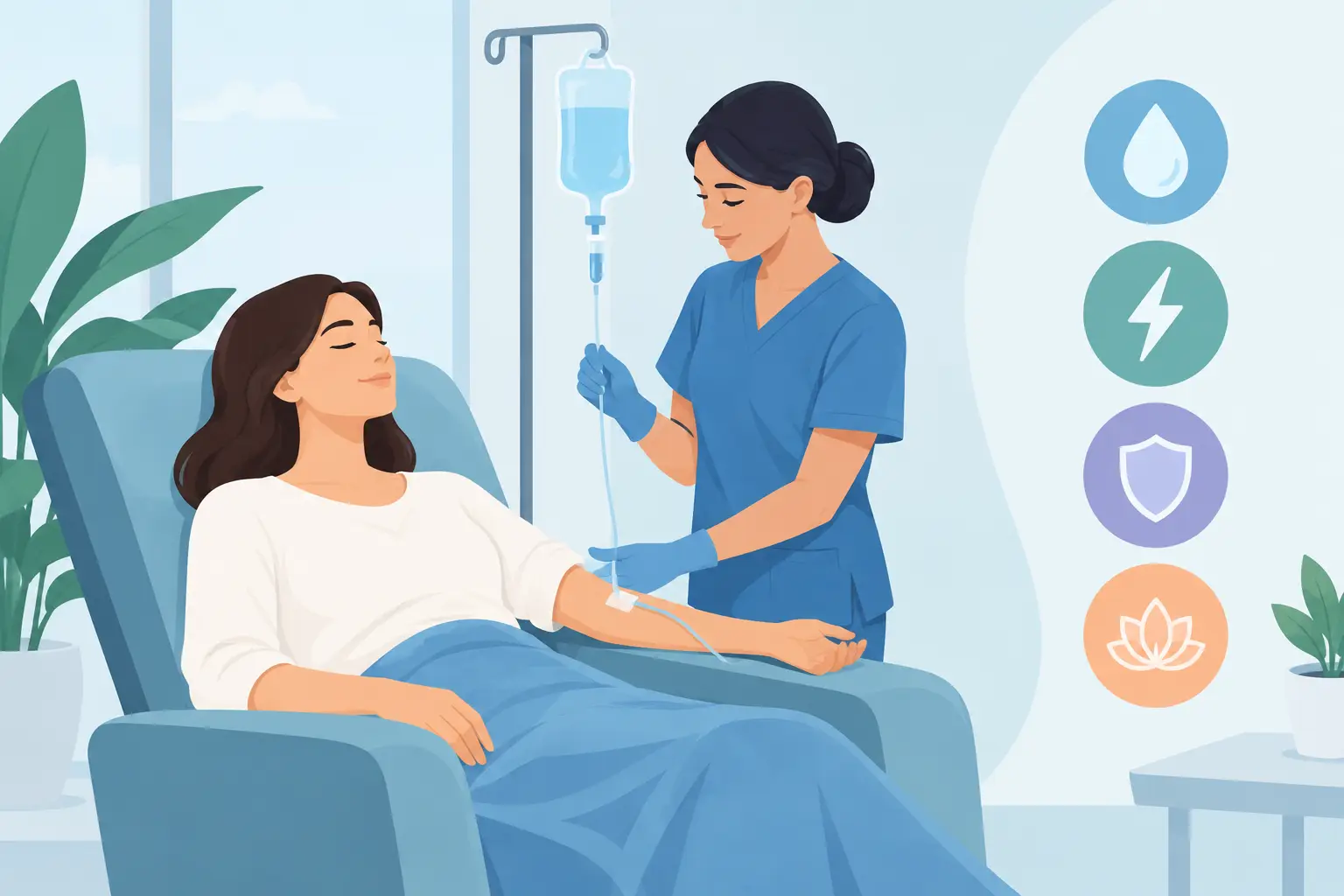
A packed week, a demanding workout, travel, warm Southern California weather, or simply not feeling like yourself can leave you depleted. IV hydration offers a direct, professionally administered way to receive fluids and selected nutrients when your body may need additional support. It is not about chasing a quick fix. It is about choosing personalized wellness care that meets you where you are.
At a medical spa, the experience should feel comfortable, informed, and centered on your individual goals. Whether you are new to vitamin therapy or already make wellness appointments part of your routine, understanding what happens during an IV visit can help you make a confident decision.
What Is IV Hydration?
IV hydration delivers fluids through a small catheter placed into a vein, allowing hydration and selected vitamins or minerals to enter the bloodstream directly. Unlike a beverage or supplement, which must move through the digestive system, an IV infusion is administered under professional supervision and can be tailored to the ingredients recommended for your needs.
The exact formula matters. Some clients are primarily looking for hydration support, while others want a vitamin-focused infusion as part of their self-care routine. A qualified provider should discuss your health history, current medications, symptoms, sensitivities, and wellness goals before recommending a drip.
This personalized approach is especially valuable because feeling tired, thirsty, or run down can have many causes. Sometimes more water, rest, and balanced meals are enough. Other times, a provider may recommend evaluation by your primary care clinician rather than an infusion. Thoughtful care means knowing the difference.
IV Hydration Benefits Depend on Your Needs
Many clients choose an infusion when they want support after dehydration, strenuous activity, travel, a late night, or periods when they have not been able to maintain their usual hydration habits. Fluids may help replenish hydration more efficiently than drinking water alone when oral intake has been difficult or insufficient.
Vitamin therapy can also be appealing to people who want a convenient way to support their wellness routine. Depending on the formulation and provider recommendation, an IV may include nutrients such as B vitamins, vitamin C, or electrolytes. The goal is not to promise a cure, prevent illness, or replace healthy habits. It is to provide a focused wellness service within a broader plan that includes sleep, nutrition, movement, and appropriate medical care.
Results are personal. One client may notice they feel more refreshed after a busy weekend, while another may simply appreciate the time set aside for intentional self-care. How you feel afterward can depend on your baseline hydration, the ingredients used, your activity level, and other health factors.
What to Expect at an IV Hydration Appointment
Your appointment should begin with a conversation, not a one-size-fits-all menu selection. Your provider may ask why you are considering IV therapy, how you have been feeling, whether you have allergies, and if you take prescription medications or supplements. Be open about your full health history, including pregnancy, kidney concerns, heart conditions, high blood pressure, and prior reactions to injections or IVs.
Once a suitable option is chosen, you will get comfortable in a relaxing treatment setting. The provider cleans the skin and places the IV using a small needle. You may feel a quick pinch, followed by mild pressure, but the process is generally straightforward. After the catheter is placed, the needle is removed and the infusion begins.
Most visits take roughly 30 to 60 minutes, although timing varies by formula and infusion rate. This is a good opportunity to sit back, read, catch up on messages, or simply take a pause from a full schedule. Your provider should remain available to monitor your comfort throughout the service.
Afterward, the IV is removed and a small bandage is applied. Many people return to regular activities right away. Staying hydrated, eating nourishing foods, and listening to your body can help you continue caring for yourself after the visit.
When an IV May Not Be the Right Choice
An infusion is not the answer to every health concern. Severe dehydration, persistent vomiting, fainting, chest pain, shortness of breath, confusion, high fever, or severe abdominal pain require prompt medical evaluation. Do not rely on a wellness treatment when you may need urgent care.
IV therapy also deserves extra consideration for people with certain medical conditions. Those with kidney disease, heart failure, fluid restrictions, electrolyte disorders, uncontrolled blood pressure, or a history of complications with IV access may not be appropriate candidates. Your provider may ask you to obtain medical clearance or may recommend another path altogether.
It is also worth having realistic expectations around fatigue. Ongoing exhaustion can be related to anemia, thyroid conditions, sleep issues, stress, nutritional deficiencies, depression, medication effects, or other concerns that need medical attention. Feeling better after hydration does not identify the underlying cause. If symptoms keep returning, speak with a licensed medical professional.
How to Choose a Safe IV Hydration Provider
Convenience matters, but qualifications and screening matter more. Look for a setting that treats IV therapy as a professional medical service, not an impulse add-on. You should feel comfortable asking who administers the infusion, what training and oversight are involved, how the ingredients are selected, and what happens if you have a reaction.
Before you book, consider these practical signs of client-centered care:
- A health screening and consultation take place before treatment.
- The provider reviews medications, allergies, and relevant health conditions.
- Ingredients, expected effects, possible side effects, and costs are explained clearly.
- The environment follows appropriate cleanliness and safety practices.
- The team is willing to say no when an IV is not appropriate for your situation.
Minor effects can include bruising, tenderness, redness, or irritation where the IV was placed. Although uncommon, more serious risks can include infection, vein inflammation, allergic reaction, fluid overload, or electrolyte imbalance. A responsible provider discusses these possibilities plainly and gives you clear guidance on when to seek care after your appointment.
Preparing for Your Visit
You do not need to overprepare, but a few simple steps can make the experience easier. Eat a light meal unless your provider tells you otherwise, wear clothing that allows easy access to your arm, and arrive ready to share an accurate list of medications and supplements. Continue drinking water before and after your appointment unless you have been told to limit fluids.
If you are booking after travel, a workout, or a long event, give yourself permission to rest afterward rather than adding more demands to your day. Wellness works best when it supports your real life, not when it becomes another item to rush through.
At La Vi Beauty & Wellness, personalized care begins with listening. A free consultation can help you discuss your goals, ask direct questions, and decide whether IV therapy fits your wellness routine. Your confidence deserves care that feels informed, welcoming, and made for you.