
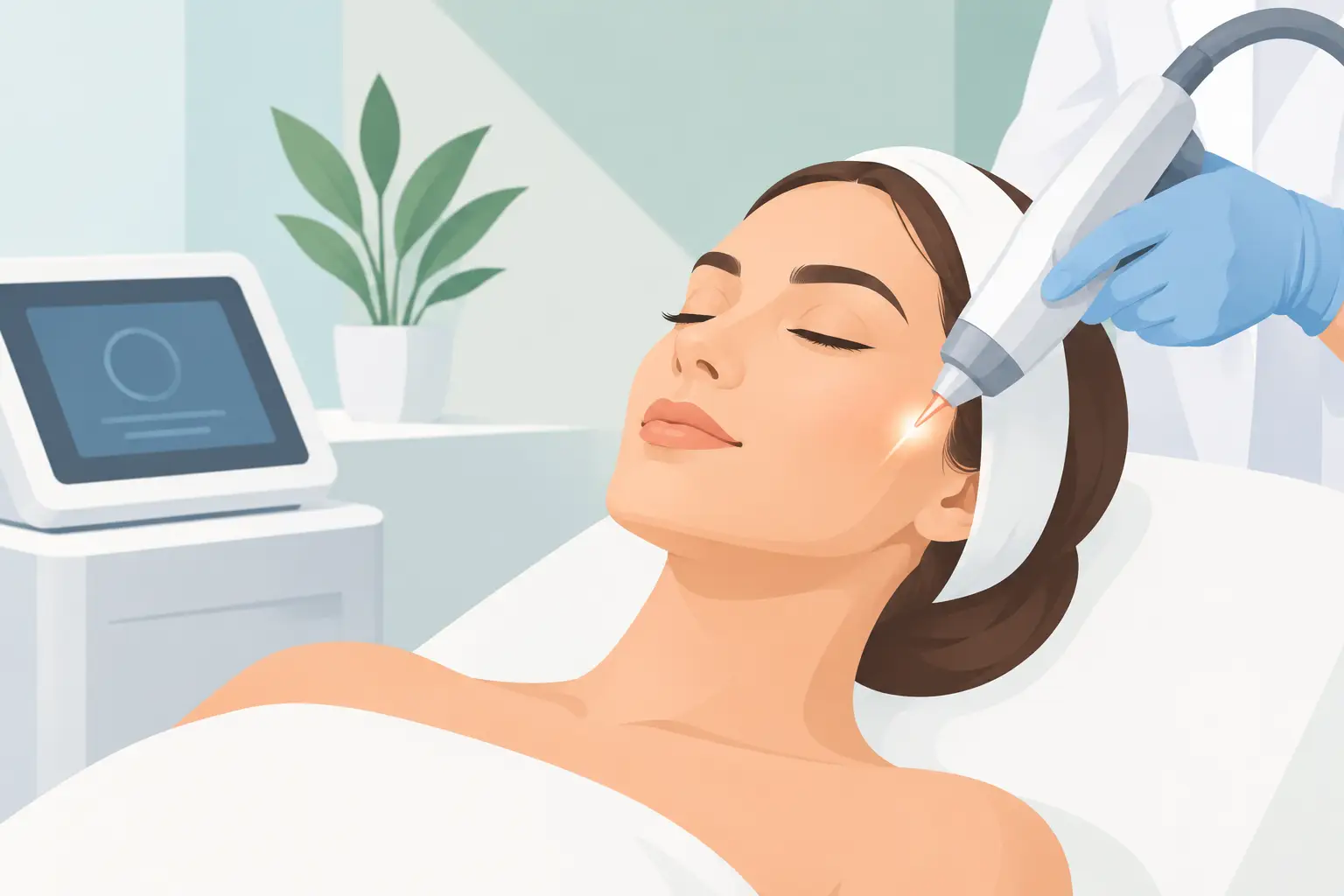
A close-up in bright bathroom lighting can make rough texture, acne scars, uneven tone, and fine lines feel more noticeable than they used to. Laser resurfacing is designed to address those concerns by encouraging the skin to renew itself, helping reveal a smoother, more refreshed-looking complexion over time. The right treatment is not about changing who you are. It is about supporting skin that feels more aligned with your confidence.
At La Vi Beauty & Wellness, laser skin treatments begin with your individual goals, skin history, lifestyle, and comfort level. Some clients want a more dramatic improvement and are prepared for more downtime. Others prefer a gentler approach that fits more easily into a busy schedule. Both can be valid choices.
What Laser Resurfacing Can Treat
Laser resurfacing uses focused light energy to create controlled changes in the skin. Depending on the technology and treatment plan, the laser may remove very thin layers of damaged outer skin, heat deeper tissue to support collagen production, or do a combination of both. Collagen is a natural protein that helps skin look firmer and more resilient.
This treatment is often considered for concerns such as fine lines, crepey texture, enlarged-looking pores, uneven skin tone, sun-related discoloration, acne scarring, and certain surgical or injury scars. It can also improve the overall look of dull or tired skin when texture is the main concern.
Results depend on the concern being treated. Fine lines and uneven texture may respond differently than deeper acne scars, for example. A laser can soften the appearance of scars, but no responsible provider should promise that every scar will disappear completely. Your consultation is the place to talk honestly about what meaningful improvement looks like for you.
Not All Laser Skin Resurfacing Is the Same
The phrase “laser treatment” covers more than one approach. The best option depends on how much correction you want, your skin type and tone, your medical history, and the amount of recovery time you can realistically allow.
Ablative treatments
Ablative laser treatments work by removing a controlled amount of the skin’s outer layer. They are often selected when more significant resurfacing is needed for pronounced texture changes, lines, or scarring. Because the treatment is more intensive, recovery can be longer and visible redness, peeling, swelling, and sensitivity are expected parts of the healing process.
The trade-off is straightforward: more intensive treatments may offer more noticeable correction in fewer sessions, but they also require more dedicated aftercare and social downtime.
Non-ablative and fractional treatments
Non-ablative treatments focus more on heating tissue below the surface without removing the outer layer in the same way. Fractional treatments create tiny treatment zones while leaving surrounding skin intact. This approach can support collagen renewal with a generally shorter recovery period.
These options may be a better fit for clients who prefer gradual improvement and less interruption to work, family, or social plans. Several sessions may be recommended to build results. Gentler does not mean ineffective – it simply means the treatment plan may prioritize a different balance of comfort, recovery, and correction.
What Happens During a Laser Resurfacing Appointment
Your experience should start well before the laser is turned on. A personalized consultation helps determine whether laser resurfacing fits your goals and whether another treatment, such as microneedling, a chemical peel, or a combination plan, may better suit your skin at this time.
Your provider may ask about prior cosmetic treatments, medications, active skin concerns, history of cold sores, recent sun exposure, tendency toward pigmentation changes, and your usual skincare routine. Share openly. Details that may seem small can affect treatment safety and planning.
On treatment day, the skin is cleansed and photos may be taken to track progress. Depending on the procedure, a topical numbing agent may be used to support comfort. Clients often describe sensations ranging from warmth and prickling to a brief snapping feeling. More intensive treatments may involve additional comfort measures.
The length of the appointment varies with the area treated. A focused area may take less time than full-face resurfacing, while adding the neck, chest, or other areas changes the plan. Your provider will explain what to expect before treatment so you can arrive prepared.
Recovery Is Part of the Treatment
The most beautiful results are supported by thoughtful aftercare. Skin needs time to heal, and the recovery period should not be treated as an inconvenience to push through. It is an active part of protecting your investment.
After laser resurfacing, you may experience redness, warmth, mild swelling, dryness, flaking, or peeling. The degree and duration vary by treatment intensity and your individual healing response. More intensive resurfacing can involve several days of more visible healing, followed by lingering pinkness that fades gradually. Lighter treatments may leave the skin looking flushed for a shorter period.
Your provider will give you specific post-treatment instructions. In general, expect to use gentle skincare, avoid picking or exfoliating peeling skin, and be diligent with broad-spectrum sunscreen. Heat exposure, intense exercise, swimming, and certain active ingredients may need to be paused for a period of time. Skincare products that were fine before treatment may feel irritating while your barrier is healing.
Sun protection deserves special attention. Freshly treated skin is more vulnerable to discoloration from ultraviolet exposure. Wearing sunscreen every day, limiting direct sun, and following your provider’s guidance can make a real difference in how evenly the skin heals.
When Will You See Results?
Some clients notice a brighter, smoother surface once early peeling or dryness settles. However, collagen remodeling takes time. Improvements in firmness, fine lines, and texture often continue to develop over weeks and sometimes months.
This gradual change is one reason laser resurfacing can look natural. Rather than appearing suddenly different, the skin can progressively look healthier, clearer, and more refined. For deeper scars or more advanced sun damage, a series of treatments or a combined plan may be recommended.
Healthy expectations matter. Skin continues to age, sun exposure continues to affect collagen, and lifestyle factors influence longevity. A consistent home routine, sunscreen, hydration, and maintenance treatments can help you enjoy your results longer.
Who Should Wait or Consider Another Option?
Laser resurfacing is highly customizable, but it is not the right starting point for every concern or every moment. Active acne flare-ups, open wounds, infections, recent tanning, and certain medications may mean treatment should be postponed. Pregnancy, a history of abnormal scarring, pigment concerns, or active cold sores also deserve a careful conversation with your provider.
Clients with deeper skin tones can absolutely pursue skin rejuvenation, but treatment settings and preparation must be selected with care to help reduce the risk of post-inflammatory hyperpigmentation. Inclusive aesthetic care means recognizing that skin does not respond identically from person to person. A personalized assessment is essential, not optional.
If you are looking for a quick event-day glow with no recovery, a Hydrafacial or other gentler service may be more appropriate. If your main concern is lost facial volume, fillers or biostimulatory options may better address the issue. The goal is never to sell a procedure that does not match your needs. The goal is to build a plan that makes sense for your skin and your life.
Preparing for Your Consultation
Bring your questions, your skincare products if you are unsure about them, and a realistic sense of your schedule. Let your provider know about upcoming travel, weddings, photos, or other events. Planning treatment around meaningful dates helps protect both your recovery and your peace of mind.
A free consultation is a comfortable place to discuss your goals, learn about your options, and decide whether laser resurfacing is right for you. You deserve guidance that respects your features, your skin, and the version of confidence you want to discover next.